
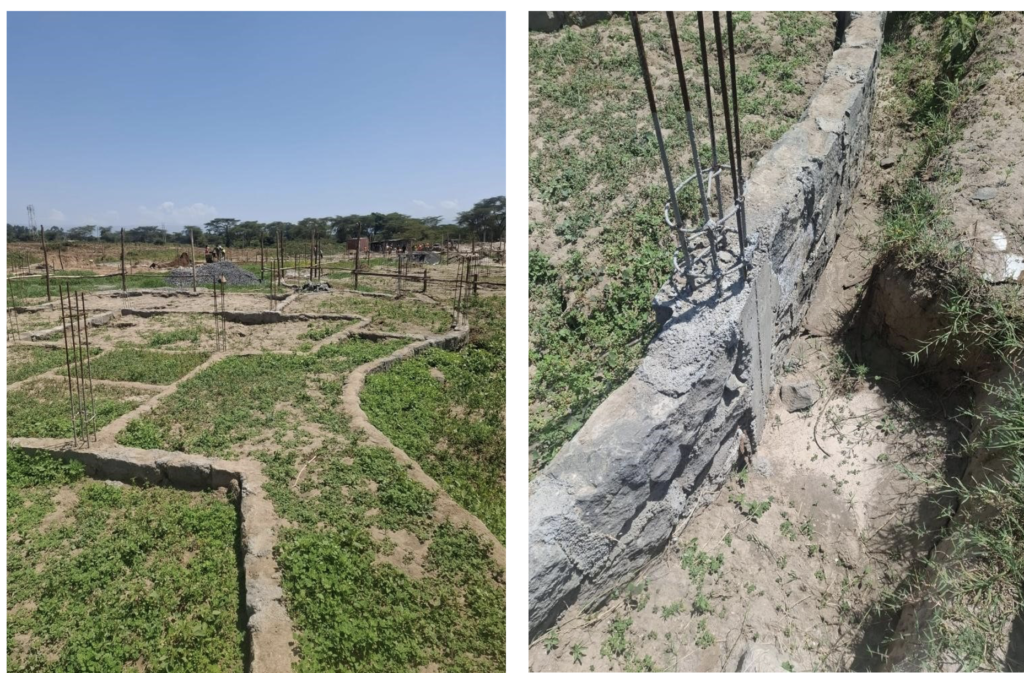
Construction Inspections in Kenya: Why Independent Site Visits Can Save You Thousands
Building in Kenya while living abroad requires trust—but trust alone shouldn’t be your quality control.
Why Construction Inspections Matter
If you’re building a home or investment property in Kenya while living overseas, chances are you’ll be relying on updates from a contractor, architect, relative or friend.
Most of the time those updates come in the form of WhatsApp photos, short videos or phone calls.
While these updates are useful, they don’t always tell the full story.
A photograph might show a freshly poured concrete slab, but it won’t tell you whether the correct reinforcement was used beneath it. A video of a completed wall won’t reveal if it was built exactly to the approved drawings or whether important structural details were overlooked.
That’s where independent construction inspections add value.
Rather than relying solely on progress updates, an inspection provides an objective assessment of what’s actually happening on site.
What Is a Construction Inspection?
A construction inspection is an independent review of work completed on site.
Its purpose isn’t to replace your contractor or architect. Instead, it provides another layer of quality assurance by checking that construction is progressing as expected and identifying potential issues before they become expensive to rectify.
Depending on the stage of the project, an inspection may include:
- Reviewing completed work against approved drawings
- Checking workmanship and build quality
- Identifying visible defects
- Reviewing structural elements
- Recording photographic evidence
- Highlighting areas that may require attention before work continues
The findings are then presented in a report, allowing you to make informed decisions before releasing further payments or approving the next stage of construction.
Why Photos Alone Aren’t Enough
Receiving regular photos from site is reassuring—but photographs only show what the camera is pointed at.
Important details may not be visible, including:
- Reinforcement inside concrete
- Levels and dimensions
- Waterproofing preparation
- Drainage installation
- Material quality
- Hidden workmanship issues
An experienced inspector knows what to look for and can assess the wider context rather than a handful of selected images.
When Should Inspections Take Place?
While every project is different, inspections are particularly valuable at key milestones, including:
Before Construction Begins
Confirm that site preparation, setting out and documentation are in place.
Foundation Stage
Check excavation, reinforcement and foundation preparation before concrete is poured.
Structural Frame
Inspect columns, beams and slabs before construction progresses further.
Walling Stage
Verify workmanship, dimensions and alignment.
Roofing
Ensure the roof structure and installation meet the design requirements.
First Fix Services
Review plumbing, drainage and electrical installations before walls are finished.
Final Completion
Identify defects or incomplete work before making the final payment.
Real Example
During a recent inspection for a diaspora client developing a hotel in Naivasha, several issues were identified before construction progressed further.
These included inconsistent foundation levels, incomplete plumbing and electrical documentation, discrepancies within the Bill of Quantities and outstanding approval concerns.
Identifying these issues early allowed the client to make informed decisions before additional construction costs were incurred.
You can read the full story in our Naivasha Hotel Inspection Case Study.
Common Problems Independent Inspections Can Identify
Every project is unique, but inspections frequently uncover issues such as:
- Poor workmanship
- Construction that differs from approved drawings
- Incomplete documentation
- Missing structural details
- Incorrect levels
- Drainage concerns
- Waterproofing risks
- Materials that don’t match specifications
- Quality issues before concrete is poured
Finding these problems early is almost always less expensive than correcting them after the building has progressed.
Shouldn’t My Contractor or Architect Already Be Checking?
Professional contractors and consultants have important responsibilities throughout a construction project.
However, many diaspora homeowners find reassurance in receiving an independent opinion—particularly when they’re unable to visit site themselves.
Independent inspections don’t replace your project team; they complement it by providing an additional level of transparency.
Who Benefits Most from Construction Inspections?
Construction inspections are particularly valuable if you:
- Live outside Kenya
- Are building your first property
- Cannot visit site regularly
- Are investing significant savings
- Want confidence before making stage payments
- Have concerns about workmanship or progress
- How Diaspora Build Safe Can Help
How Diaspora Build Safe Can Help
At Diaspora Build Safe, we provide independent construction inspections for Kenyans building from abroad.
Our inspections are designed to give you clear, evidence-based information about your project, helping you make informed decisions at every stage of construction.
Whether you need a one-off inspection before releasing a payment or ongoing project monitoring, our goal is simple: to provide independent oversight that helps protect your investment.
Continue Reading
If you found this guide useful, you may also like:
- Building a House in Kenya While Living Abroad – The Complete Guide
- Land Buying Checklist for Kenyans in the Diaspora
- Naivasha Hotel Inspection Case Study
- How Much Does It Cost to Build a House in Kenya? (Coming Soon)
- 25 Costly Mistakes Diaspora Homeowners Make (Coming Soon)