

Case Study: How Independent Oversight Helped Keep an Athi River House Build on Track
Building a home is one of the biggest financial investments most people will ever make. When you’re managing construction from the Diaspora—or simply don’t have time to visit site regularly & it becomes even more important to verify that work is progressing as expected.
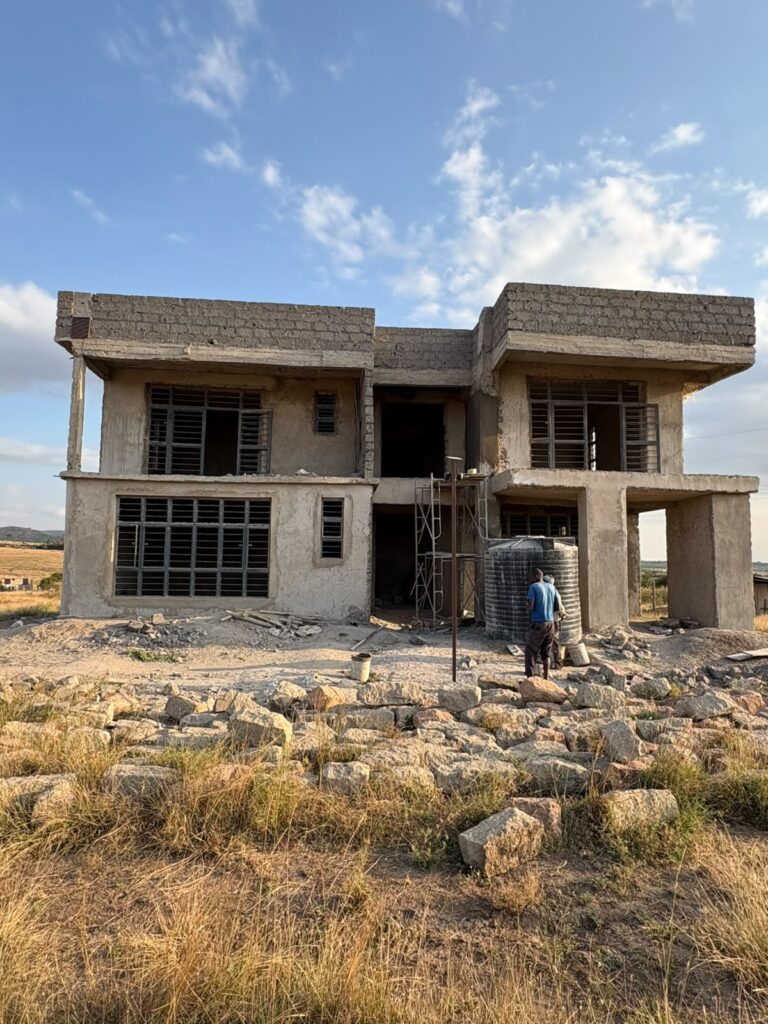
This case study follows a private residential development in Athi River, Machakos County by a client in the U.K, demonstrating how regular site visits, independent oversight and careful payment verification helped keep the project moving while identifying issues before they became costly.
If you’re planning your own project, we recommend reading our Building a House in Kenya From Abroad – The Complete Guide, which explains the entire construction process for Kenyans living overseas.
Project Overview
Location: Athi River, Machakos County
Project Type: Private Residential Home
Construction: Reinforced concrete and masonry
Client Location: United Kingdom
DBS Services Provided:
- Independent site inspections
- Construction progress reporting
- Photographic documentation
- Payment verification Progress monitoring
The Challenge
Like many building projects, the objective wasn’t simply to complete the house—it was to ensure every stage met expectations before construction continued.
Construction projects move quickly.
Once foundations are poured, walls built or plaster applied, correcting mistakes often becomes far more expensive.
The aim was therefore simple:
Identify issues early rather than repair them later.
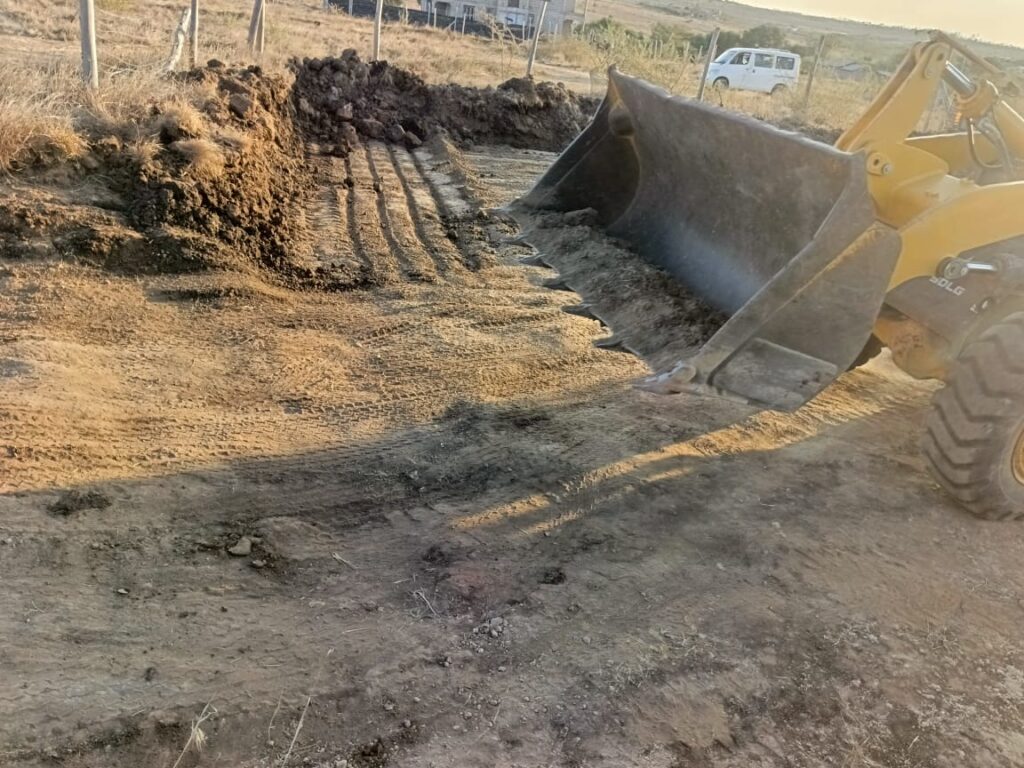
Independent Site Visits Throughout Construction
Rather than waiting until completion, the project was monitored throughout key construction stages.
Each visit focused on:
- Recording current progress.
- Photographing completed work.
- Comparing progress against previous inspections.
- Identifying visible workmanship concerns.
- Confirming readiness before the next payment stage.
This created a clear record of how the project developed from the first stages through to completion.
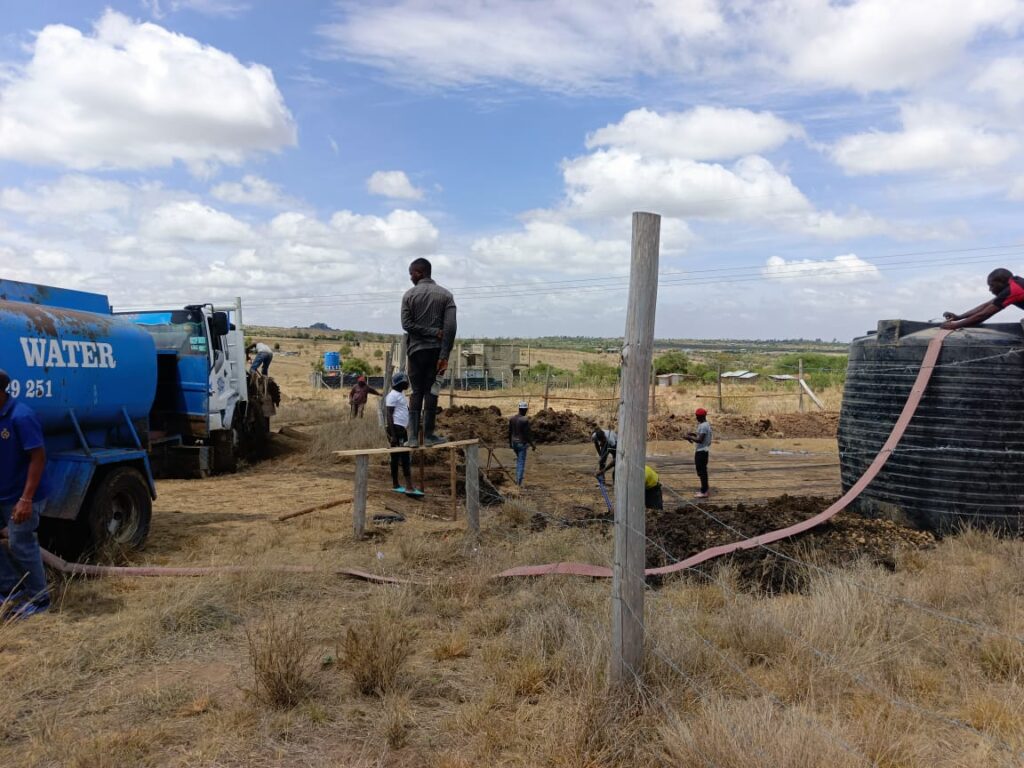
Payment Decisions Were Based on Progress
One of the biggest risks during any construction project is releasing money too early.
Instead of relying solely on verbal updates, each payment was linked to visible progress on site.
This provided greater confidence that work had genuinely been completed before additional funds were released.
Our Before You Pay Your Contractor – A 12-Point Checklist explains the same approach that homeowners can use on their own projects.
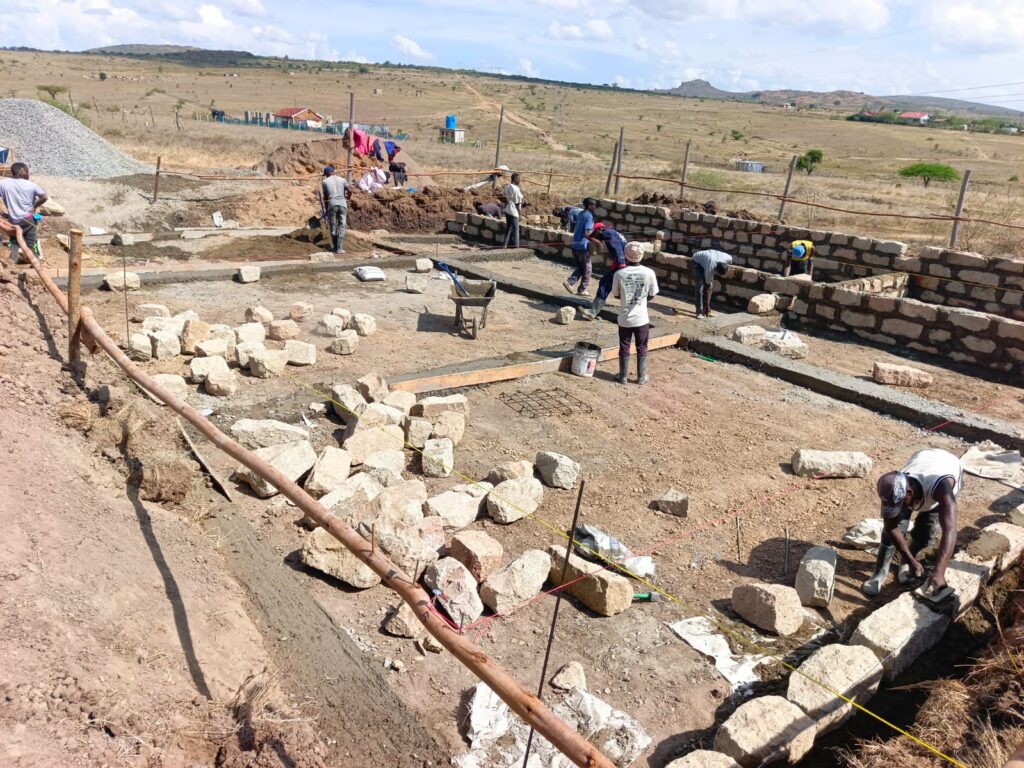
Small Issues Were Addressed Before They Became Bigger Problems
No construction project is completely free from minor issues.
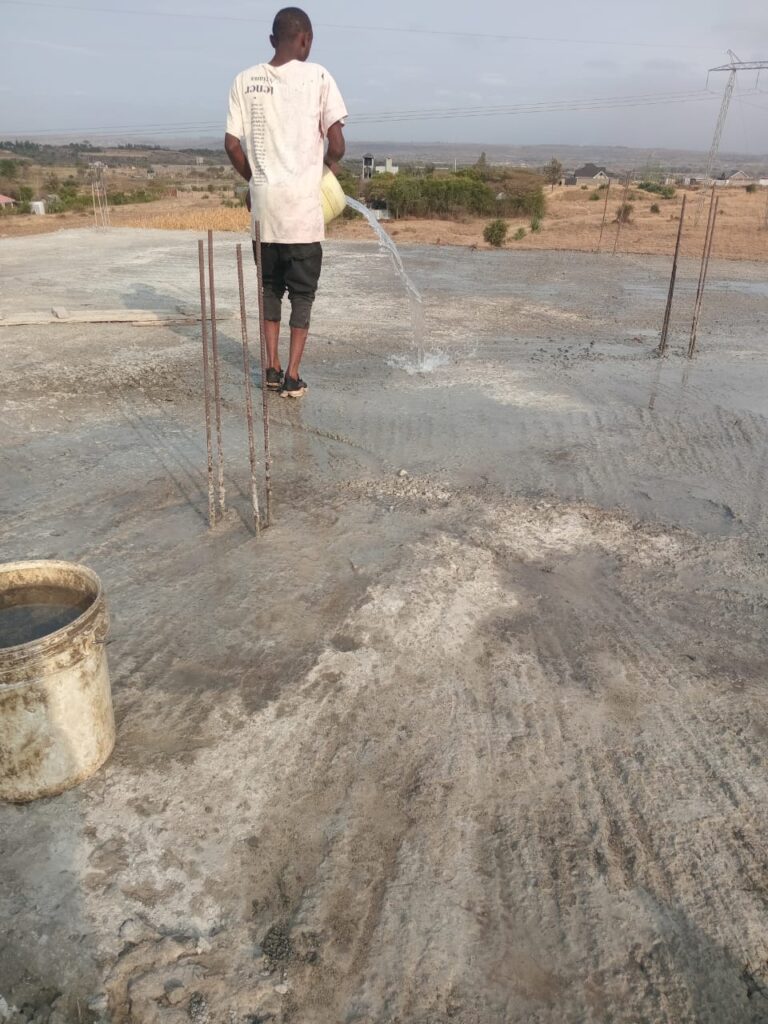
During routine inspections, a number of items requiring attention were identified and discussed before work progressed to the next stage.
Examples included:
- Minor workmanship requiring correction.
- Areas needing improved finishing.
- Construction sequencing adjustments.
- General quality control observations.
Because these issues were identified early, they were far easier—and less expensive—to resolve than if they had only been discovered after completion.
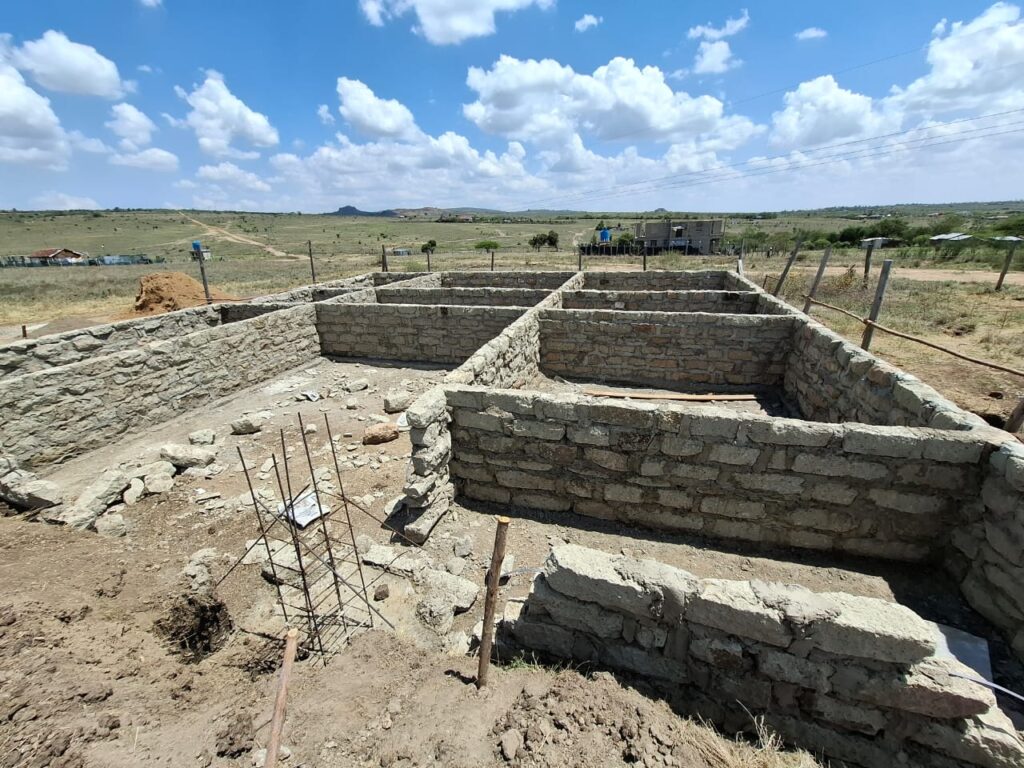
Every Stage Was Properly Documented
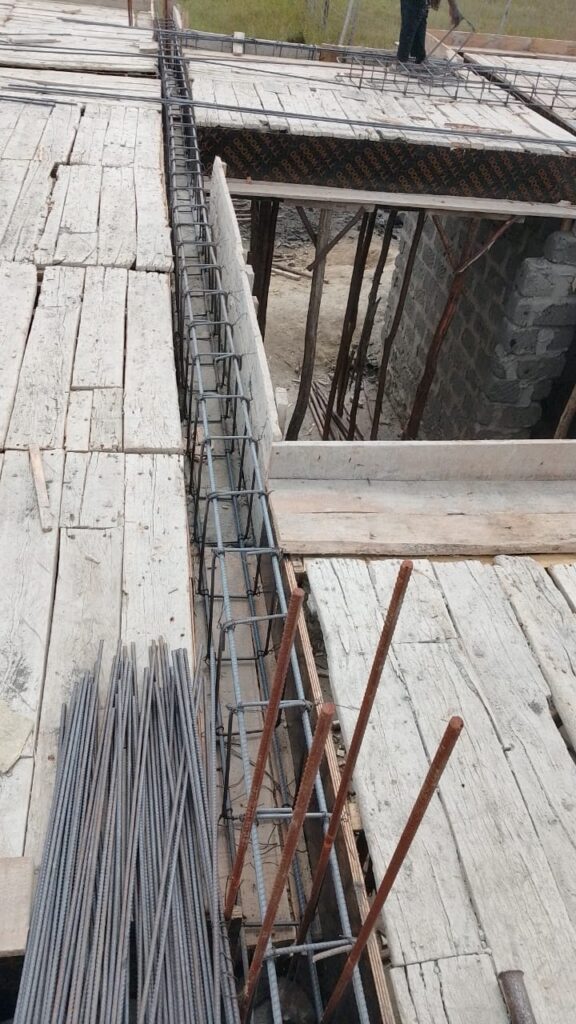
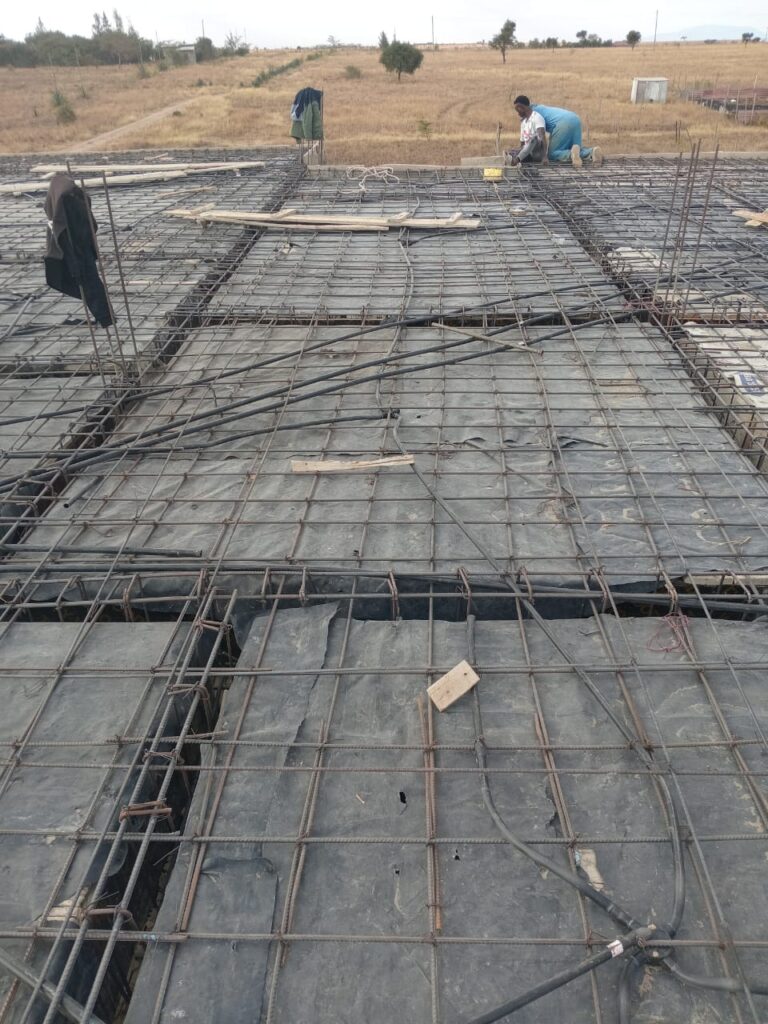
Each inspection created a visual record of the build.
Documentation included:
- Site photographs
- Progress updates
- Construction observations
- Completed work
- Areas requiring attention
Having a photographic history made it easy to track progress and compare each stage with previous inspections.
This is exactly why we recommend regular site updates rather than relying on occasional photographs or verbal reports.
You can learn more in our guide Why Regular Site Updates Matter When Building in Kenya From Abroad.
Communication Made Better Decisions Possible
Independent reporting helped ensure that decisions were based on facts rather than assumptions.
Instead of asking:
“Has the work been completed?”
The project team could review photographs, observations and current site conditions before deciding on the next steps.
Clear communication reduced uncertainty and helped maintain confidence throughout construction.
Lessons Learned
Every construction project is different, but several important lessons emerged from this build.
1. Don’t Wait Until Completion
Many defects become hidden as construction progresses.
Regular inspections allow concerns to be identified while they’re still relatively easy to correct.
2. Verify Progress Before Releasing Payments
Payments should always reflect completed work—not promises.
Even a simple independent inspection before transferring funds can provide valuable reassurance.
3. Keep a Complete Record
Photographs, reports and payment records provide an invaluable history of the project.
They also make it easier to understand exactly how construction has progressed.
4. Small Problems Are Easier to Fix
Most major construction disputes begin as small issues that were overlooked.
Identifying them early is almost always less expensive than repairing them later.
Our guide 15 Warning Signs Your Building Project Is Going Wrong explains some of the most common warning signs homeowners should never ignore.
How This Benefits Kenyans Living Abroad
While this project was located in Athi River, the lessons apply to anyone building in Kenya while living overseas.
Distance shouldn’t prevent you from knowing exactly what’s happening on your site.
With independent inspections, regular progress reports and photographic evidence, you can stay informed and make confident decisions wherever you are in the world.
How Diaspora Build Safe Can Help
Diaspora Build Safe (DBS) provides independent construction inspections for Kenyans living abroad.
Our services include:
- Independent site visits
- Progress reports
- High-quality site photographs
- Video walkthroughs
- Visible workmanship observations
- Payment stage verification
Our role isn’t to replace your contractor. Instead, we provide clear, independent information so you can make informed decisions and protect your investment throughout your build.
Final Thoughts
Every successful construction project is built on more than concrete and bricks—it relies on good communication, careful planning and independent verification.
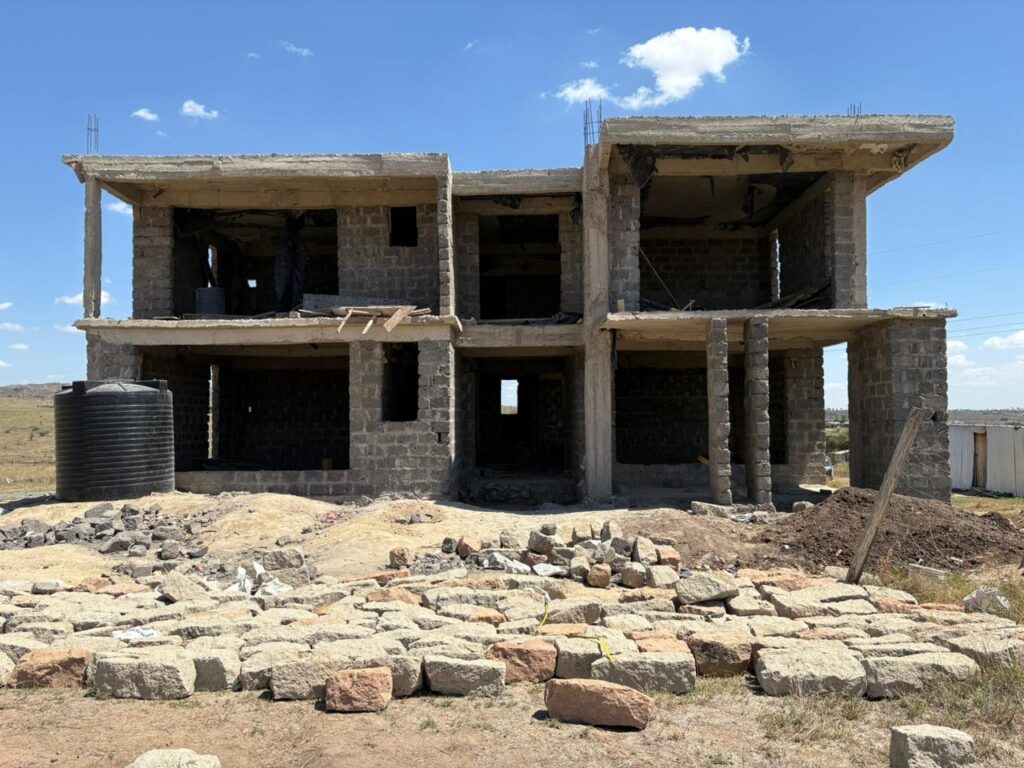
The Athi River project demonstrated how regular site inspections, documented progress and timely observations can help keep a build on track while reducing unnecessary risks.
Whether you’re planning a new home or already have contractors on site, taking a proactive approach today can help you avoid expensive problems tomorrow.
Related Guides
Continue your building journey with these resources:
- Building a House in Kenya From Abroad – The Complete Guide
- How to Avoid Construction Scams When Building in Kenya From Abroad
- How to Choose a Reliable Contractor in Kenya
- Before You Pay Your Contractor – A 12-Point Checklist
- Why Regular Site Updates Matter When Building in Kenya From Abroad
- What Should a Construction Progress Report Include?
- How Often Should You Inspect a House Under Construction in Kenya?
- Can You Trust Family Members to Supervise Your House Build?
- Construction Inspection Services
- Contact Diaspora Build Safe
- How much do we charge you for independent inspection?