
Building a House in Kenya: A Stage-by-Stage Timeline
Building a home is one of the biggest investments you’ll ever make. If you’re living abroad, understanding the construction process can help you plan your budget, monitor progress and avoid costly surprises.
Every project is different, but most house builds in Kenya follow the same sequence of stages. Knowing what should happen at each stage makes it easier to ask the right questions and release payments only when work has been completed.
If you’re just starting your journey, read our Building a House in Kenya From Abroad – The Complete Guide for a complete overview.
Stage 1: Buying the Land
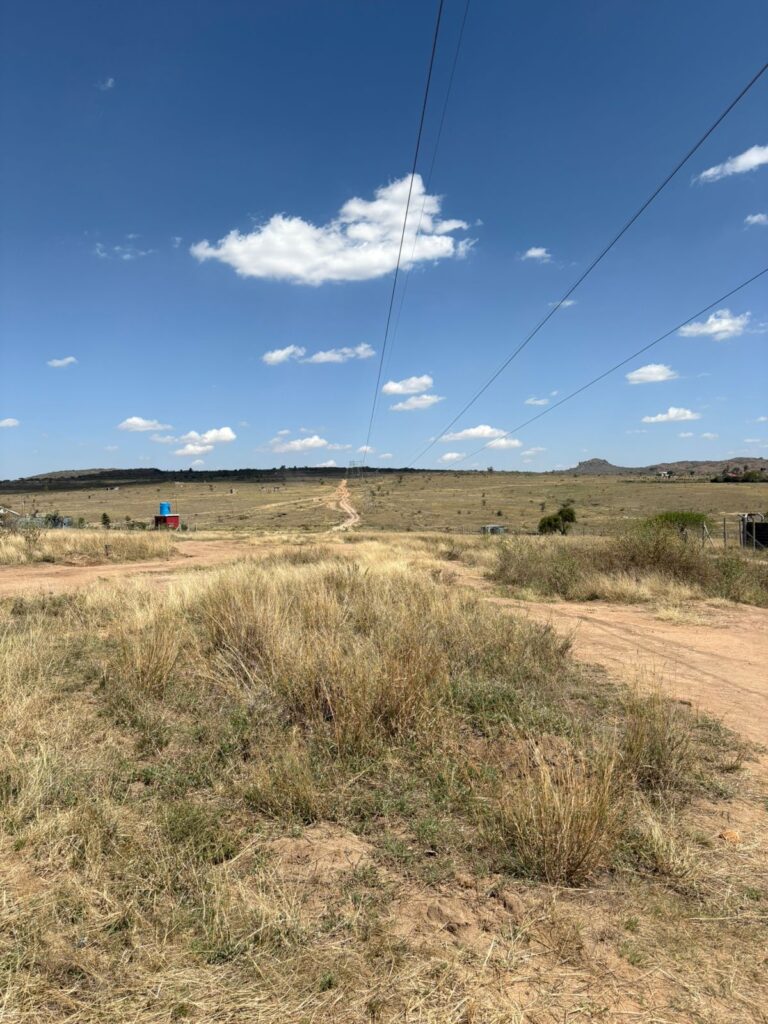
Typical duration: 2–8 weeks
Before construction begins, ensure the land has been properly verified.
This should include:
- Confirming ownership
- Carrying out an official land search
- Checking boundaries
- Confirming access roads
- Identifying available utilities
- Understanding any planning restrictions
Buying the wrong plot can delay your project before construction even starts.
Related guide: Land Buying Checklist for Kenyans in the Diaspora
Stage 2: Design and Planning
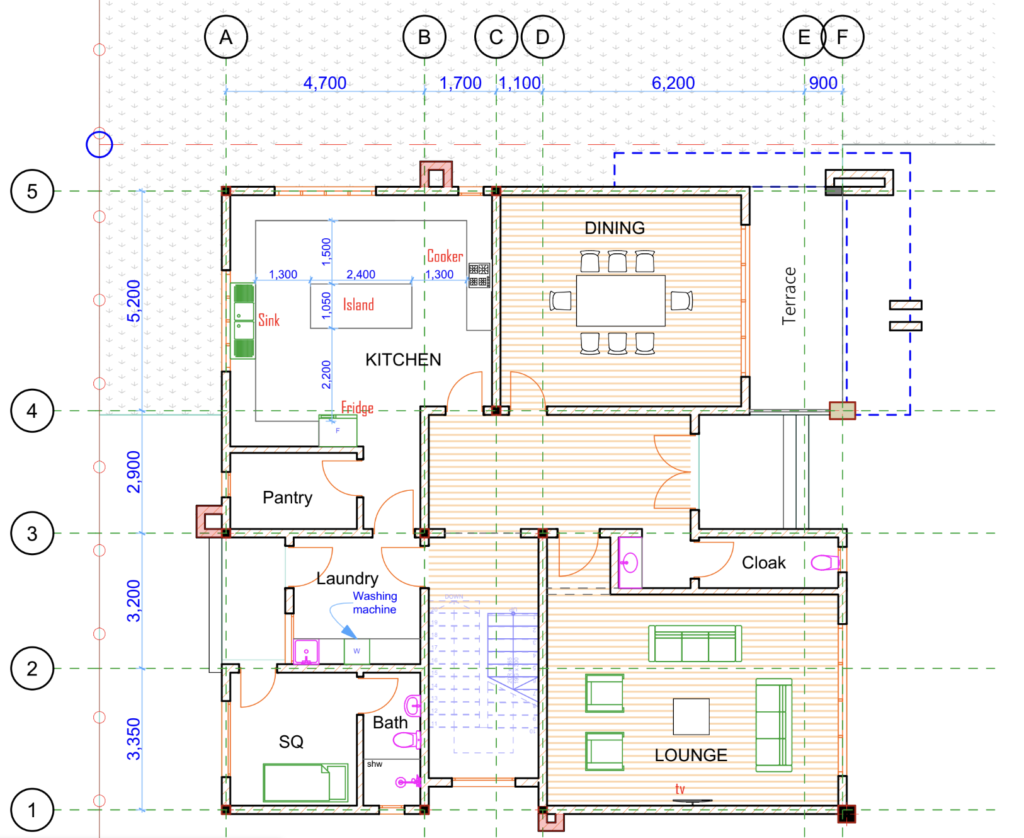
Typical duration: 1–3 months
During this stage you’ll work with professionals to develop your house plans.
This includes:
- Architectural drawings
- Structural drawings
- Electrical layouts
- Plumbing layouts
- Budget planning
Avoid making major design changes once construction begins, as they often increase costs and cause delays.
Stage 3: Approvals
Typical duration: 2–8 weeks
Before construction starts, the required approvals must be obtained from the relevant authorities.
Depending on your project and location, this may include planning permission and other statutory approvals.
Construction should only begin once all necessary approvals have been secured.
Stage 4: Site Preparation
Typical duration: 1–2 weeks
Before foundations are dug, the site is prepared.
This usually involves:
- Clearing vegetation
- Setting out the building
- Temporary site access
- Material storage
- Site security
A well-prepared site helps construction run more efficiently.
Stage 5: Foundations
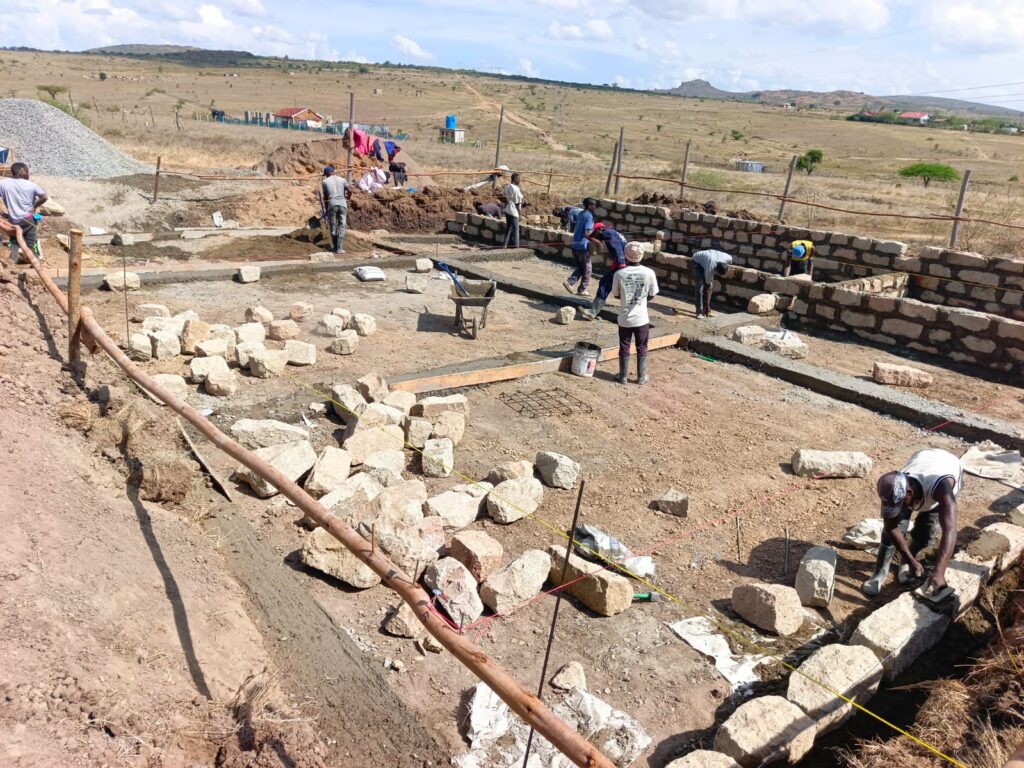
Typical duration: 2–4 weeks
The foundation supports the entire house.
Work typically includes:
- Excavation
- Footings
- Reinforcement
- Concrete pouring
- Foundation walls
- Backfilling
This is one of the most important stages to inspect before work is covered up.
Stage 6: Wall Construction
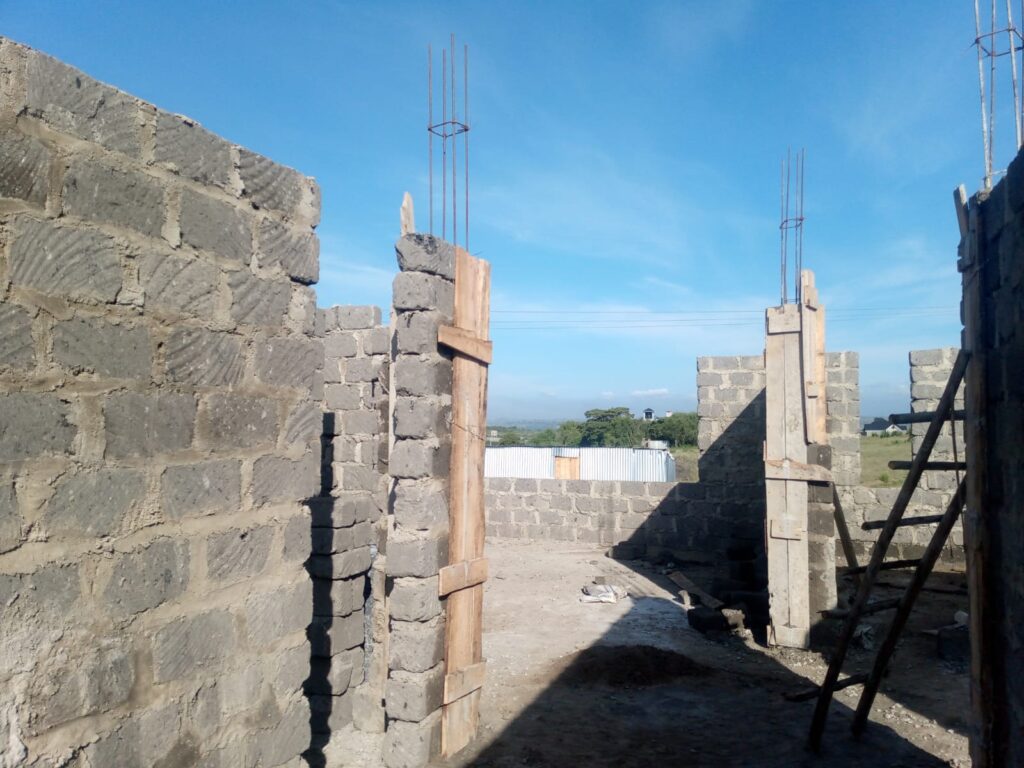
Typical duration: 3–6 weeks
Once the foundation is complete, walls begin to take shape.
This stage includes:
- Blockwork or stonework
- Columns
- Lintels
- Ring beams
- Window and door openings
Regular inspections help ensure the structure is progressing as expected.
Stage 7: Roofing
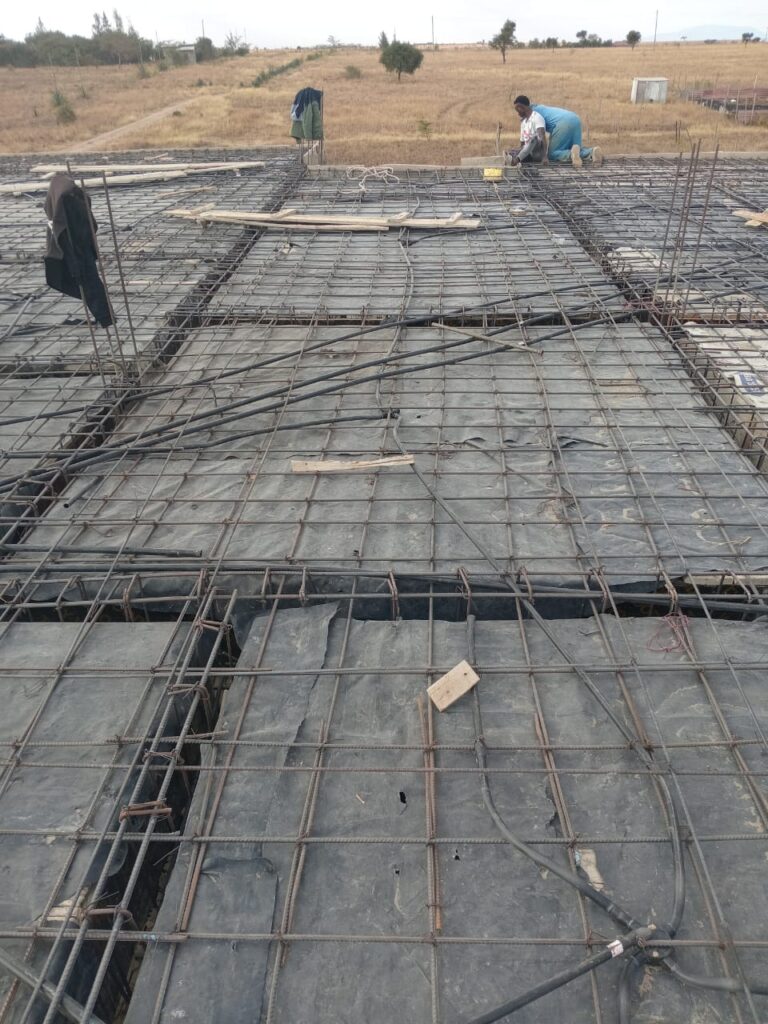
Typical duration: 2–4 weeks
Roofing usually includes:
- Roof structure
- Trusses
- Covering materials
- Rainwater gutters
- Flashings
Completing the roof protects the building from the weather and allows internal work to begin.
Stage 8: First Fix
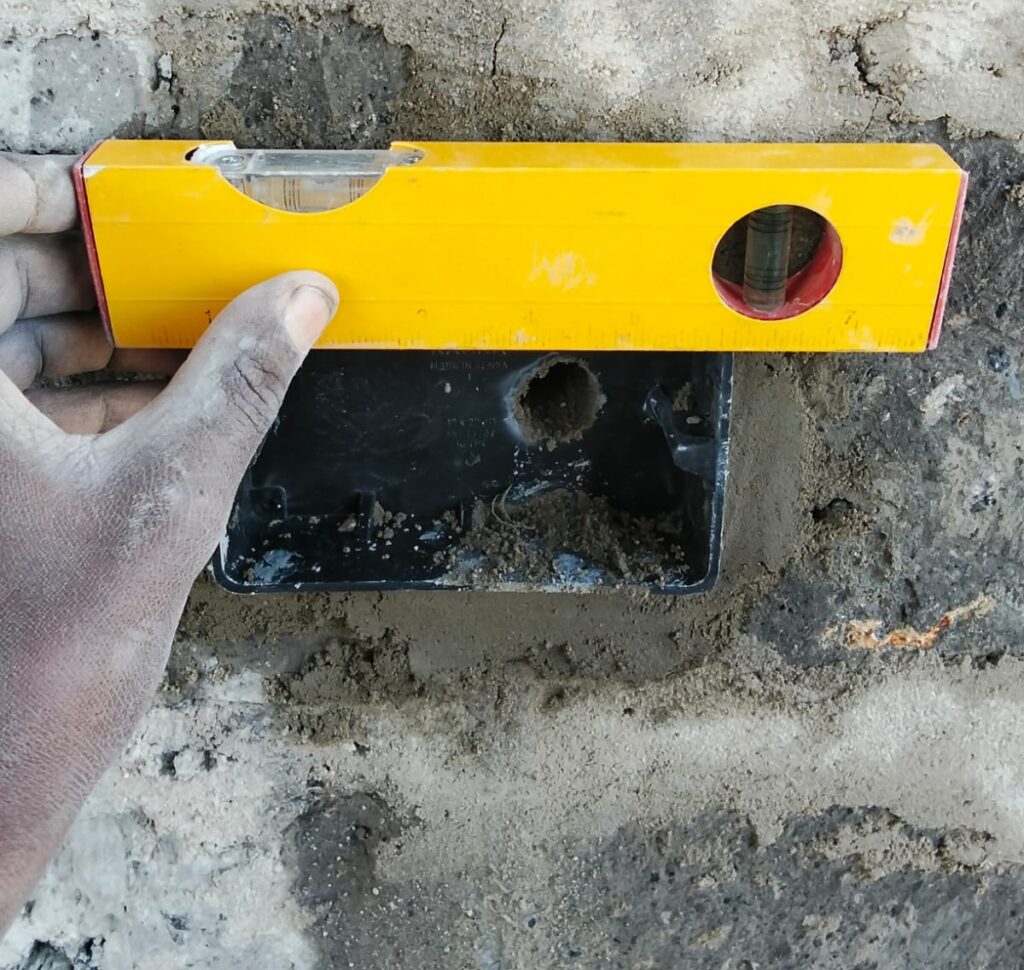
Typical duration: 2–4 weeks
The first fix involves installing services before walls and ceilings are finished.
Typical work includes:
- Electrical wiring
- Plumbing pipework
- Drainage
- Ventilation
- Internal service routes
It’s much easier to identify issues now than after finishes have been applied.
Stage 9: Plastering and Internal Finishes
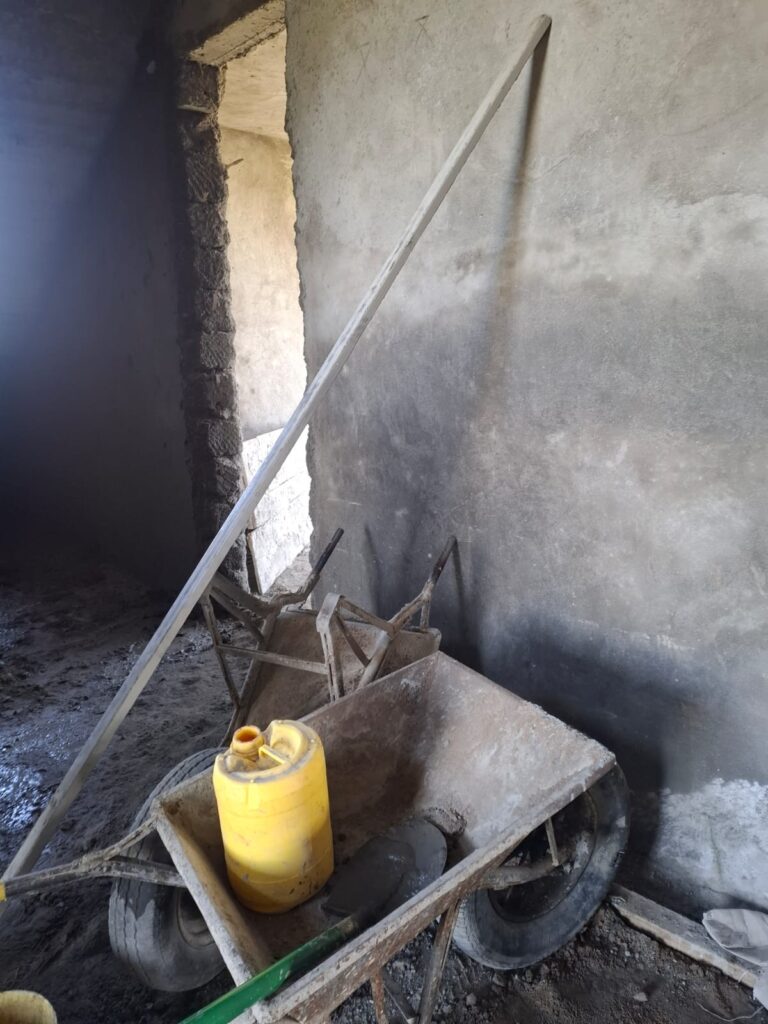
Typical duration: 3–6 weeks
At this stage, the house begins to look more complete.
Typical work includes:
- Internal plastering
- Floor screeds
- Ceiling installation
- Wall preparation
Good workmanship here has a major impact on the finished appearance of the home.
Stage 10: Second Fix
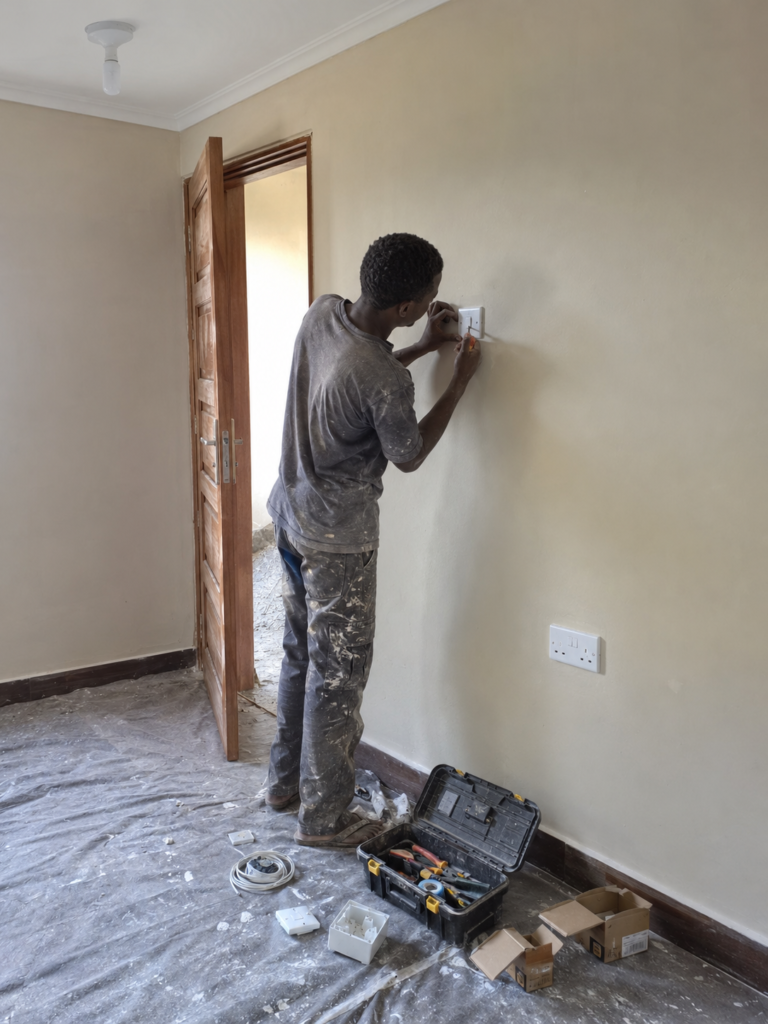
Typical duration: 2–4 weeks
The second fix includes fitting visible fixtures and fittings such as:
- Sockets
- Light switches
- Toilets
- Wash basins
- Doors
- Kitchen units
- Wardrobes
This is when the house becomes functional.
Stage 11: External Works
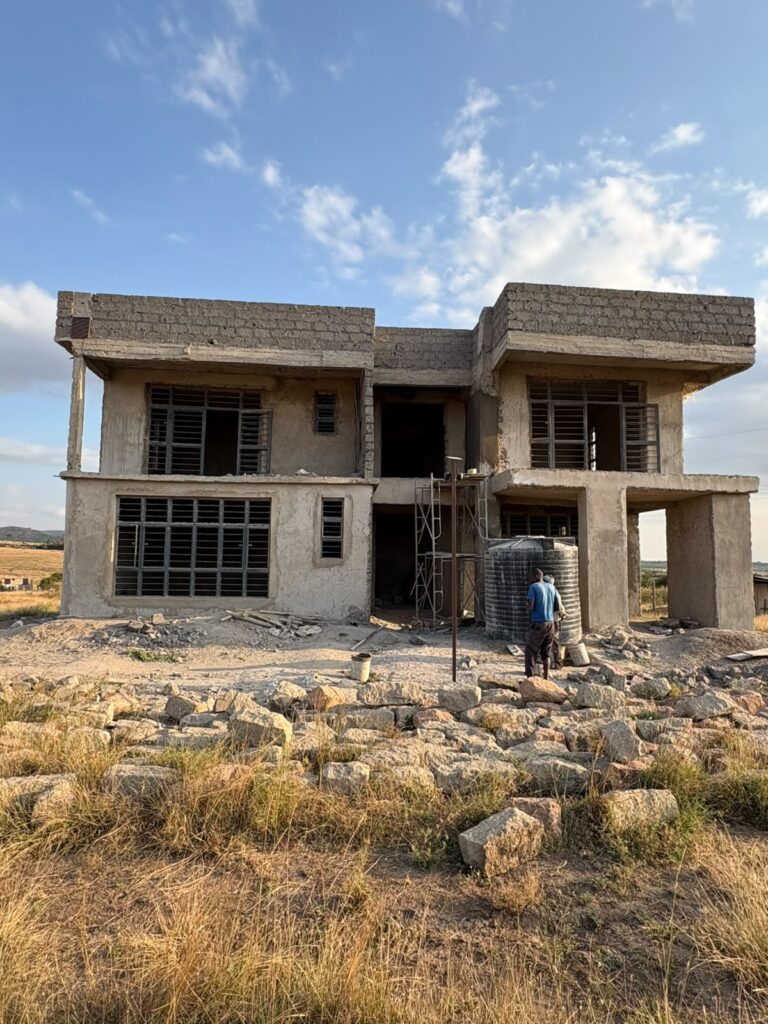
Typical duration: 2–6 weeks
Many homeowners forget to budget for external works.
These may include:
- Boundary wall
- Gate
- Driveway
- Drainage
- Landscaping
- Water tanks
- External lighting
These items can represent a significant part of the overall budget.
Stage 12: Final Inspection and Handover
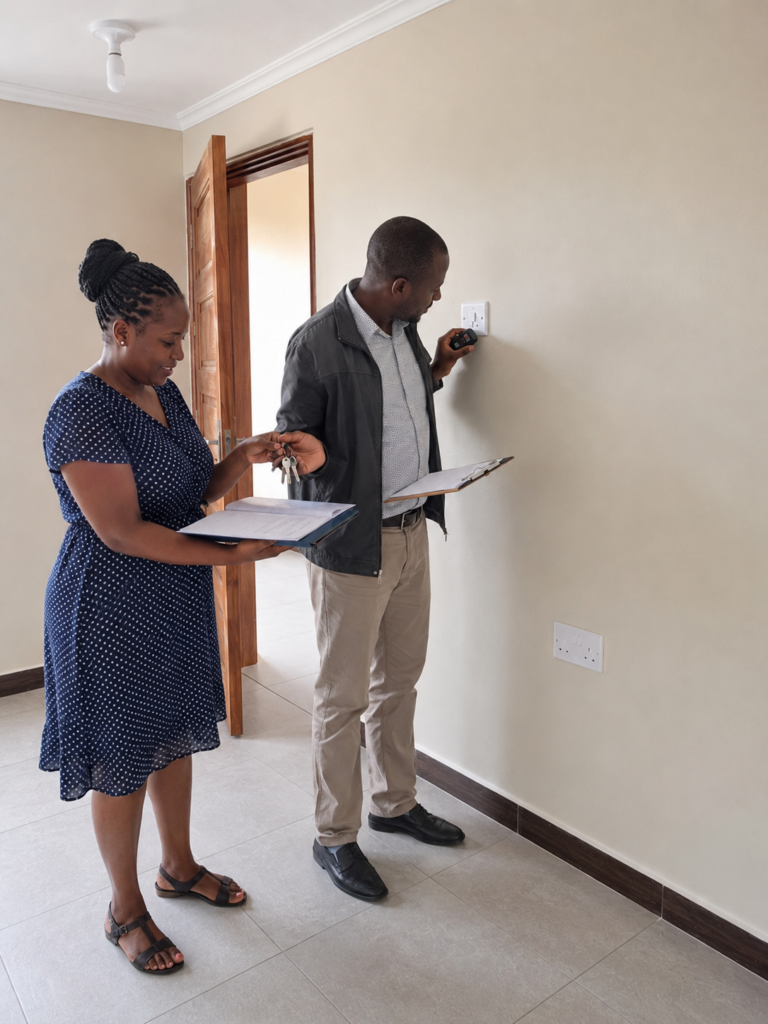
Typical duration: 1–2 weeks
Before making your final payment:
- Inspect every room.
- Test electrical fittings.
- Check plumbing.
- Identify defects.
- Ensure agreed work has been completed.
- Prepare a snagging list if necessary.
Never assume everything is complete without carrying out a proper inspection.
Our guide Before You Pay Your Contractor – A 12-Point Checklist explains what to verify before releasing the final payment.
Where Delays Commonly Occur
Even well-managed projects can experience delays.
Common causes include:
- Weather
- Material shortages
- Labour availability
- Design changes
- Approval delays
- Cash flow problems
- Contractor scheduling
Planning for some flexibility helps reduce unnecessary stress.
When Should You Arrange Inspections?
Independent inspections are particularly valuable at key milestones:
- Before foundations are poured
- After foundations are complete
- During wall construction
- Before roofing is completed
- During first fix
- Before plastering hides services
- Before each major payment
- Before final handover
These visits help identify issues while they are still relatively easy to correct.
Final Thoughts
Building a house is a journey made up of many stages, each with its own challenges and milestones. Understanding the process helps you plan more effectively, budget with confidence and identify potential issues before they become costly problems.
Whether you’re building your first home or investing from abroad, taking a structured approach and checking progress at key stages can make all the difference.
Continue Reading
Building a House in Kenya From Abroad – The Complete Guide
How to Avoid Construction Scams When Building in Kenya From Abroad
How to Choose a Reliable Contractor in Kenya
Before You Pay Your Contractor – A 12-Point Checklist
Why Regular Site Updates Matter When Building in Kenya From Abroad
What Should a Construction Progress Report Include?
How Often Should You Inspect a House Under Construction in Kenya?
Can You Trust Family Members to Supervise Your House Build?
Construction Inspection Services
Contact Diaspora Build Safe
How much do we charge you for independent inspection?